Source Foldable Polyester Kids Play Tent for Party, Camping, and Beach
Find 30 foldable polyester kids play tent options for party, camping, and beach use. Compare models like EZ-CZ2401107 and M00072-5, featuring CE certification and customizable designs for outdoor recreation; compare the available evidence and request quotations based on your requirements.
Key considerations
Products List


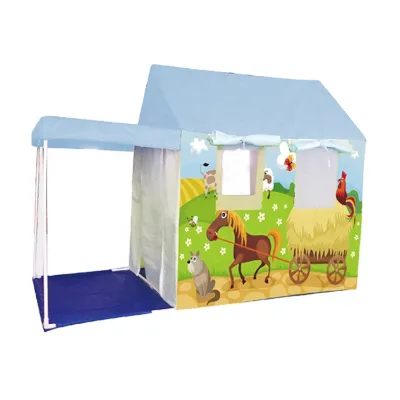


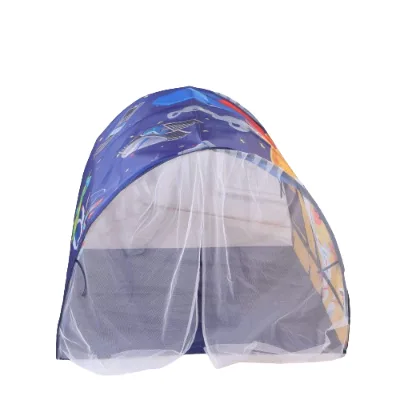
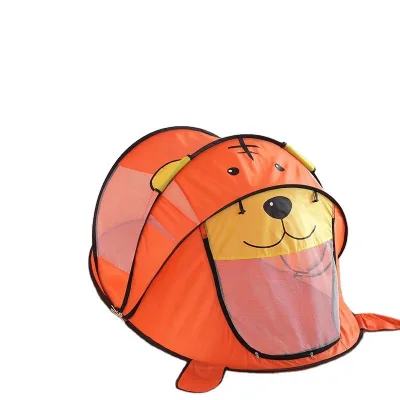
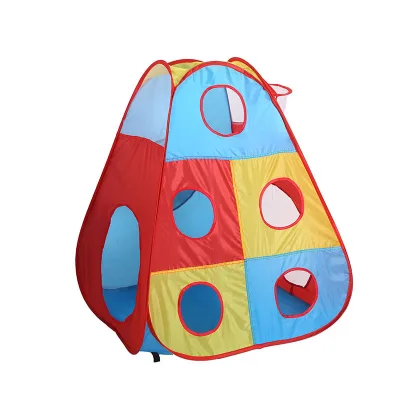
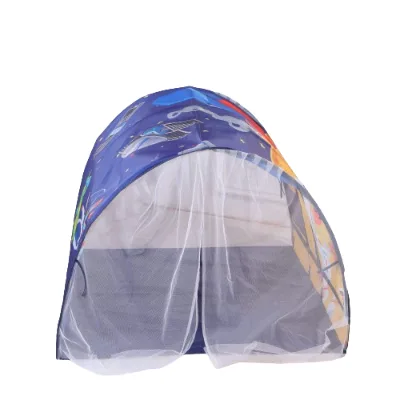
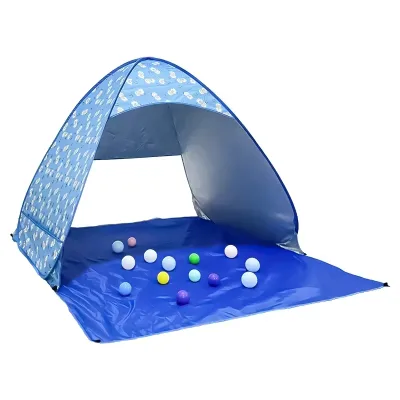
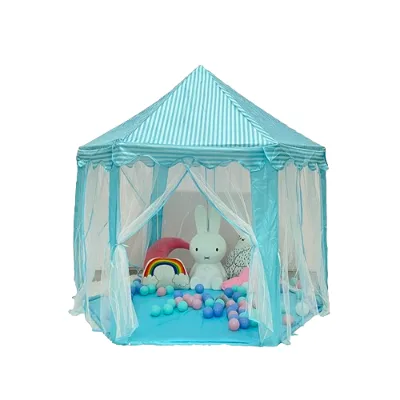


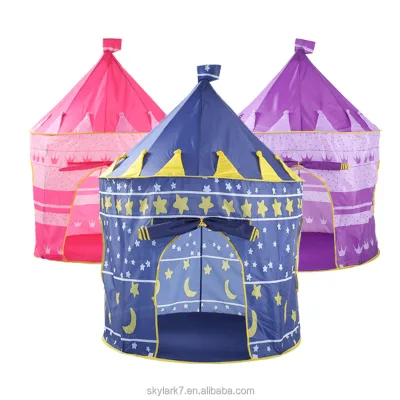
Comprehensive Sourcing Guide
foldable polyester kids play tent Sourcing Guide
Buyers must first distinguish between single-skin structures and more complex designs when evaluating foldable polyester options. The observed market data indicates that while some units feature a square centre-pole configuration, others utilize a pup tent style with flexible fibreglass poles. This structural variance directly impacts the tent's stability and the ease of assembly for end-users, requiring a clear definition of the desired top style before initiating contact with manufacturers.
Procurement teams should also verify the intended usage context, as listings show these products serving diverse functions from party decorations to dedicated outdoor playing toys. Some suppliers offer units specifically branded as children's tents or playhouses suitable for shops and amusement parks, while others target general recreation. Understanding whether the primary goal is promotional branding or durable family use will dictate the necessary material thickness and pole flexibility required for the final product.
Product Scope and Observed Listing Signals
The observed product range reveals significant variation in customization capabilities, with many suppliers explicitly offering private label services and custom packaging options. Buyers should note that while some listings indicate a standard carry bag, others provide custom carton packaging or color boxes depending on the order volume. This flexibility allows retailers to align the product presentation with their specific brand identity, but it necessitates early confirmation of the packaging requirements to avoid logistical mismatches.
Material composition is another critical signal, as the market includes both pure polyester constructions and blends involving specific pole materials like fibreglass. Although some entries mention PVC, the core keyword focus remains on polyester variants which often feature anti-mosquito and foldable properties. Procurement specialists must carefully cross-reference the listed material specifications against the intended season of use, ensuring the fabric density is sufficient for the expected weather conditions without compromising the foldable nature of the design.
Technical Specifications to Verify
Dimensional accuracy is paramount when sourcing these units, as observed specifications range from compact 100x100x135cm models to larger 182x96x86cm structures. Buyers must verify the exact height and width requirements against the available space in their retail or rental environments, noting that some models are explicitly sized for specific age groups or play areas. The allowable passenger capacity and internal volume should be confirmed to ensure the tent meets safety and comfort expectations for the target demographic.
The structural integrity of the poles is a key technical factor, with flexible fibreglass being a common choice for maintaining the tent's shape while allowing for easy folding. Sourcing teams should request detailed diagrams showing the pole connection points and the single-skin construction method to assess durability. Additionally, verifying the waterproof rating is essential, as some observed listings explicitly state the product is not waterproof, which limits its suitability for outdoor camping or rainy weather scenarios.
Compliance and Safety Documentation
Safety compliance is non-negotiable for children's products, and buyers should prioritize suppliers who can provide valid CE and EN certification documentation. The observed market data confirms that several manufacturers hold these certifications, which are critical for entering European and American markets. Procurement teams must request the specific test reports associated with these certifications to ensure the materials and construction methods meet the rigorous safety standards required for toys and play equipment.
Beyond general certifications, specific product standards such as those for small, medium, and big sizes must be verified to ensure the product falls within the correct regulatory category. Buyers should also check for any additional local safety marks required in their destination country, as the "Made in China" origin does not automatically guarantee compliance with all regional regulations. Ensuring that the supplier can provide up-to-date documentation for every batch is essential for maintaining market access and avoiding customs delays.
Cost Drivers and Commercial Terms
Pricing in this category is heavily influenced by the level of customization and the order volume, with observed minimum order quantities ranging from single units to 1000 pieces. Buyers should anticipate that lower MOQs may come with higher unit costs, while larger orders often unlock better pricing tiers and more flexible packaging options. Understanding the cost structure related to custom printing, private labeling, and specific material upgrades is vital for accurate budget forecasting.
Lead times and shipping logistics are also significant cost drivers, particularly when dealing with custom orders that require additional production steps. While some suppliers offer standard models with immediate availability, customized units with specific colors or patterns may require extended production windows. Procurement teams should negotiate clear delivery schedules and clarify who bears the cost of freight and insurance to prevent unexpected expenses from eroding profit margins.
Supplier Qualification and Quality Control
Supplier qualification should begin with a thorough review of their production capacity and history of fulfilling similar orders for the toy and playhouse sectors. Buyers must verify that the manufacturer has a dedicated quality control process for checking pole flexibility, fabric stitching, and overall structural stability before shipment. Requesting pre-production samples is a critical step to validate that the physical product matches the technical specifications and design expectations outlined in the initial inquiry.
Quality control protocols should also include random sampling during the production run to identify any defects in the polyester material or pole assembly. Suppliers who offer third-party inspection services or allow buyer representatives to visit the factory provide an additional layer of assurance regarding product consistency. Establishing a clear communication channel for reporting and resolving quality issues is essential for maintaining a reliable supply chain and ensuring customer satisfaction.
Long-Term Procurement Checks
Building a sustainable relationship with suppliers requires regular performance reviews based on delivery reliability, product consistency, and responsiveness to changes. Buyers should track key performance indicators such as on-time delivery rates and the frequency of quality defects to identify potential risks in the supply chain. Maintaining open dialogue with the supplier regarding market trends and new material innovations can help keep the product line competitive and relevant over time.
Long-term procurement strategies should also include periodic audits of the supplier's compliance status and adherence to safety standards. As regulations evolve, suppliers must demonstrate their ability to adapt their production processes to meet new requirements without disrupting the supply flow. Establishing a contingency plan with alternative suppliers or backup inventory levels can mitigate risks associated with production delays or sudden changes in trade policies.
FAQs
Can I customize the foldable polyester kids play tent with my brand?
Yes, customization is available for these tents. Buyers can request private labeling and custom packaging options such as carry bags or color boxes. The product supports custom designs to meet specific branding needs for promotional or recreational use in various settings.
What certifications do these children's tents hold?
The tents hold CE and EN certifications, ensuring compliance with relevant safety standards. These credentials are essential for selling in regulated markets. The products are designed for outdoor playing and family use, meeting quality expectations for children's playhouses and promotional items.
What are the standard specifications for the EZ-CZ2401107 model?
The EZ-CZ2401107 model features a European and American style with a square centre-pole structure. Its standard size is 135 by 100 cm. This single-skin tent is made of PVC and is suitable for parties, offering a durable yet lightweight option for indoor or sheltered outdoor play.
Is the polyester tent waterproof for outdoor camping use?
No, the polyester tent is not waterproof. While it is suitable for parties, beach outings, and recreation, it lacks waterproofing features. Buyers should consider this limitation when selecting tents for rainy conditions. The structure is designed for dry weather play and anti-mosquito protection.
What is the minimum order quantity for bulk purchases?
The minimum order quantity is 1000 units. This MOQ applies to standard bulk orders for manufacturers and suppliers. Buyers seeking smaller quantities may need to negotiate or look for different suppliers. The product is available in various sizes including small, medium, and big configurations.
Which models are suitable for amusement parks and shops?
The Playhouse model, specifically EZ-KPT01, is suitable for shops, supermarkets, and amusement parks. It measures 100 by 100 by 135 cm and features a pup tent style. This product is designed for kids playhouses and offers a versatile solution for commercial recreational spaces and family entertainment.